

 Send Inquiry
PP Welding Rods
Price 115.0 INR/ Kilograms
MOQ : 100 Kilograms
PP Welding Rods Specification
- Connection Type
- Welding
- End Type
- NA
- Shape
- Round
- Dimension (L*W*H)
- 1 to 6 Millimeter (mm)
- Material Grade
- Premium Grade
- Diameter
- 6 Millimeter (mm)
- Thread Type
- NA
- Application
- Fabrication of PP plastic components, Joining PP piping systems, etc
- Material
- PP, PPH
- Usage
- Plumbing & Structure Pipe
- Features
- Excellent weldability with strong joint formation
- Capacity
- 15000 Ton
- Pipe Type
- Welding Rod
- Corrosion Resistant
- Yes
- Surface Finish
- Hot Rolled
PP Welding Rods Trade Information
- Minimum Order Quantity
- 100 Kilograms
- FOB Port
- Mumbai
- Payment Terms
- Cheque, Cash Against Delivery (CAD), Cash on Delivery (COD), Cash Advance (CA), Cash in Advance (CID)
- Supply Ability
- 3000 Kilograms Per Day
- Delivery Time
- 3 Days
- Sample Available
- Yes
- Sample Policy
- Contact us for information regarding our sample policy
- Packaging Details
- Operating Manual
- Main Export Market(s)
- Asia
- Main Domestic Market
- All India
- Certifications
- UL/DIN
About PP Welding Rods
We are a leading supplier of PP Welding Rods, manufactured from premium-grade polypropylene raw material to ensure excellent welding performance and long service life. These rods are widely used in plastic fabrication and repair applications where strong, uniform, and porosity-free welds are required.
PP Welding Rods provide excellent fusion with base material, high weld strength, and smooth finishing when used with hot air welding guns or extrusion welding machines.
Product Details
-
Material: Polypropylene (PP)
-
Form: Solid Welding Rod
-
Diameter / Thickness: 2 mm to 6 mm (custom sizes available)
-
Length: 1 meter or continuous length
-
Shapes Available:
-
Round
-
Semi-Round
-
Dual Round
-
Triangle
-
Oval
-
Features
-
Standard sizing compatible with all plastic welding equipment
-
Excellent weldability with strong joint formation
-
Uniform melting and smooth bead finish
-
Lightweight material with convenient packing options
-
Good machinability after welding
-
No porosity or air bubble issues
-
Available in multiple shapes and colors to suit application needs
Applications
-
Fabrication of PP plastic components
-
Chemical storage vessels and tanks
-
Repair of leaks and damaged plastic parts
-
Joining PP piping systems
-
Extrusion welding applications
-
Hot air gun welding
-
Machined and fabricated PP parts
-
Industrial and specialty plastic fabrication
Colors Available
-
Black
-
RAL 7032
-
Dark Gray
-
Gray
-
Custom colors available on request
Packaging
-
3 kg
-
5 kg
-
7.5 kg
-
13.5 kg
-
Custom packing options available
Outstanding Weldability and Durability
PP Welding Rods are engineered for superior weldability, enabling secure and lasting joints in polypropylene piping systems. Their hot-rolled finish ensures uniformity, and premium-grade material provides resilience even in corrosive environments. These properties make our welding rods highly reliable for both structural and plumbing applications.
Versatile Applications Across Industries
Our welding rods cater to a diverse range of applications, including plumbing installations, structural pipe joining, and the fabrication of custom PP plastic components. Their versatility is matched by their performance, offering strong, stable joints wherever PP system integration is required-whether in factories, commercial installations, or on-site projects.
FAQ's of PP Welding Rods:
Q: How are PP Welding Rods used in joining piping systems?
A: PP Welding Rods are used for welding and joining polypropylene (PP) pipes and fittings through a process called plastic welding, where heat is applied to melt the rods, creating strong, seamless connections that ensure leak-free performance in plumbing and structure piping.Q: What are the key benefits of using premium-grade PP Welding Rods?
A: These welding rods offer excellent weldability and robust joint formation, high corrosion resistance, and durability under tough conditions. Their premium-grade composition ensures reliable and long-lasting connections, making them ideal for demanding industrial and plumbing applications.Q: When should I choose PP Welding Rods for my fabrication work?
A: Choose PP Welding Rods whenever you need to join or fabricate components made from PP or PPH, especially in scenarios that demand strong chemical resistance and stable welds, such as industrial piping, plumbing systems, and custom PP product fabrication.Q: Where can PP Welding Rods be effectively applied?
A: They are widely used in plumbing networks, industrial structure pipes, and in the manufacturing of PP plastic components. Their versatility allows them to suit both field installations and in-house fabrication across industries such as chemical processing, water treatment, and infrastructure.Q: What is the typical welding process for these rods?
A: The typical process involves cleaning the surfaces, applying heat via a suitable plastic welding tool, and feeding the PP Welding Rod into the joint area. As the rod and base material melt, they fuse together, forming a strong and secure bond upon cooling.Q: How does corrosion resistance enhance the longevity of welded joints?
A: PP Welding Rods offer inherent corrosion resistance, which significantly prolongs the service life of welded joints by preventing degradation and ensuring that the connection remains stable and unaffected by harsh chemicals or moisture.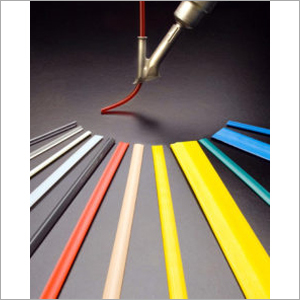
Tell us about your requirement

Price:
Quantity
Select Unit
- 50
- 100
- 200
- 250
- 500
- 1000+
Additional detail
Mobile number
Email

More Products in Sangir Products Category
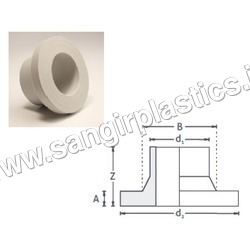
PP Stub Flange
Price 100.0 INR / Piece
Minimum Order Quantity : 10 Pieces
Application : Chemical Industry, Water Treatment, Industrial Piping
Material : Polypropylene (PP)
Usage : Pipe Joining, Industrial Fluid Handling
Features : High Chemical Resistance, Light Weight, Durable, Nontoxic
HDPE Liner Sheet
Price 100.0 INR / Square Meter
Minimum Order Quantity : 100 Square Meters
Application : Industrial, Electrical, Geothermal, etc
Material : Plastic, PE
Usage : Nuclear Power Plant, ,Electricity Boards, Refineries (DM Water Plants) , Chemical Industries, Power Plant, Defence (Ordinance Factories ) , Cement Industries , Textile Industries, Paper Industries
Features : Excellent Chemical Resistance
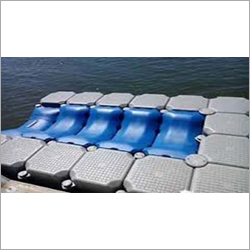
Modular Floating Jetty
Price 1000.0 INR / Number
Minimum Order Quantity : 1 Number
Application : Floating platform for waterbased activities
Material : Highdensity polyethylene (HDPE)
Usage : Recreational boating swimming platforms industrial floating docks
Features : Lightweight durable UVresistant easy installation
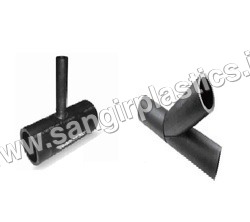
Fabricated Segment Tee Equal
Price 100.0 INR / Piece
Minimum Order Quantity : 10 Pieces
Application : Industrial Piping, Water Supply, Chemical Handling
Material : Stainless Steel
Usage : Pipeline Connection, Flow Diversion
Features : Leakproof, High Strength, Precision Engineered

Contact Details 
SANGIR PLASTICS PVT. LTD.
GST : 24AABCS3737J1ZC
GST : 24AABCS3737J1ZC

- Survey No. - 146/p-2 and 114/p1, near Raymond Limited, Motiwada,Valsad - 396125, Gujarat, India
- Phone : 08045816055

- Mr. Vivek Adsule (Sr. Executive Exports)
- Mobile : 08045816055
- Send Inquiry
 Send Inquiry
 Send Inquiry
 Send SMS
Quick Links
Our Product

SANGIR PLASTICS PVT. LTD.
All Rights Reserved.(Terms of Use)
Developed and Managed by Infocom Network Private Limited.
Developed and Managed by Infocom Network Private Limited.

