

 Send Inquiry
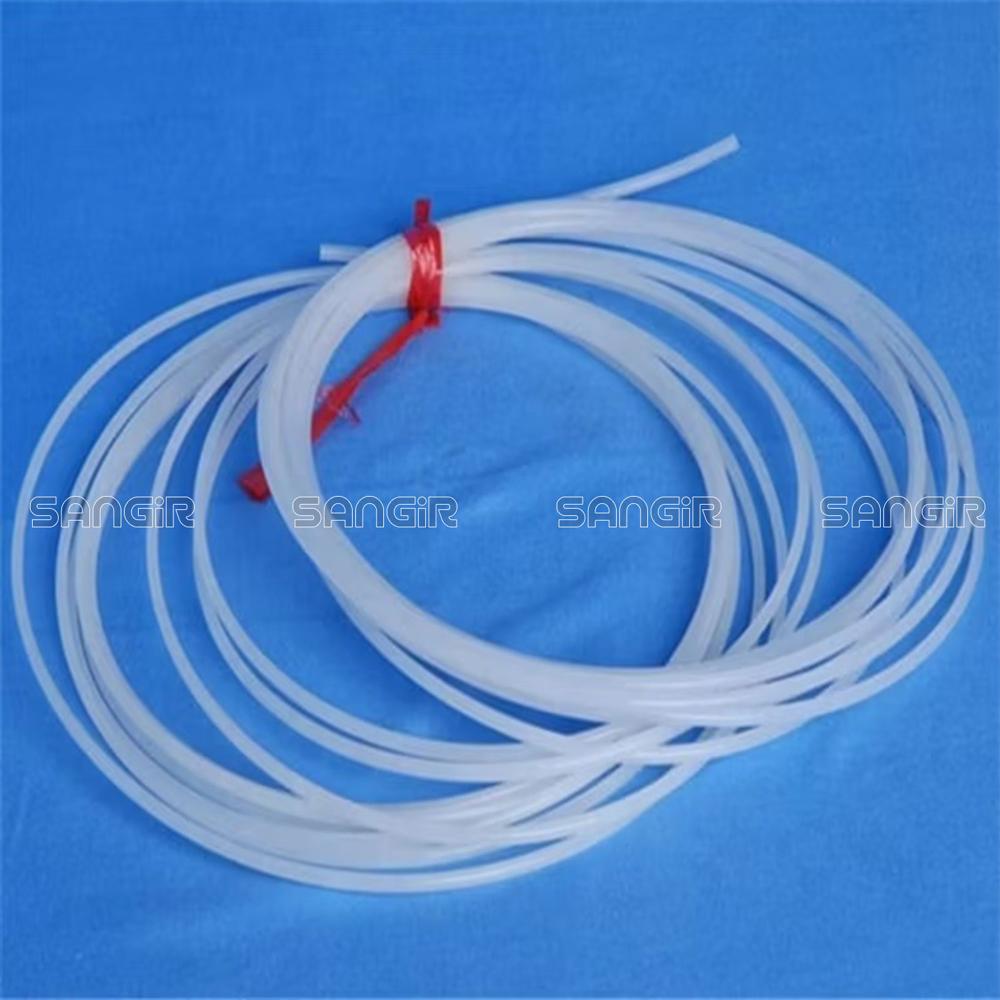
PE Pipe and PE Fitting
Price 100.0 INR/ Piece
MOQ : 1000 Pieces
PE Pipe and PE Fitting Specification
- Connection Type
- Pipe and Fittings
- Application
- Water Supply, Dredging, Marine, Mining, Slurry, Sewerage, etc
- Material Grade
- PE100
- Pipe Type
- Thermoplastic material made from polymerization of ethylene
- Diameter
- 6 Millimeter (mm)
- Usage
- Plumbing & Structure Pipe
- Corrosion Resistant
- Yes
- Port Size
- Mumbai
- Material
- PP, PPH, HDPE, PE100, PE80, LDPE, PVDF, PVC, CPVC
- Capacity
- 10000 Tons/year
- Shape
- Round
- Features
- Various Fitting includes Butt fusion, Electrofusion, etc
- Dimension (L*W*H)
- 16-1200 Millimeter (mm)
- Surface Finish
- Hot Rolled
PE Pipe and PE Fitting Trade Information
- Minimum Order Quantity
- 1000 Pieces
- FOB Port
- Nhava Sheva
- Payment Terms
- Cash on Delivery (COD), Cash Advance (CA), Cash in Advance (CID), Cash Against Delivery (CAD)
- Supply Ability
- 10000 Pieces Per Week
- Delivery Time
- 3 Week
- Sample Policy
- Within a certain price range free samples are available
- Packaging Details
- Loose, Pallets or customised as per customer requirement.
- Main Export Market(s)
- Asia
- Main Domestic Market
- All India
- Certifications
- ISO 4427; DIN 8074; EN 12201; IS 4984; IS 14151; IS 14333
About PE Pipe and PE Fitting
Sangir manufactures polyethylene pipes of following as per national and international norms: ISO 4427; DIN 8074; EN 12201; IS 4984; IS 14151; IS 14333. Sangir manufactures its pipes from different grades based on customer requirements however, specializes in PE100 pipes from per-compounded black raw material. PE100 is considered as the strongest of all PE grades for piping and have maximum nominal bore for the same pressure rating for PE 80/63.
According to international standard ISO 4427, an HDPE material can be certified as PE100, only if it passes 10,000 hours Long Term Hydrostatic Strength (LTHS) test extrapolated to 50 years to show that it has a MRP of over 10 MPa for a lifetime of minimum 50 years.
Features & advantages of PE:
- Suitable for underground pipes through adjustment to local ground movement.
- Impact-resistant and tough.
- Thermal resistant Application possible between -40C & 80C.
- Smooth internal wall Low blockage risk due to low deposit / residue effects.
- Application in open air unrestricted through colouring with carbon black.
- Lower cost due to relative long life.
- Non conductive.
- Suitable for transport of polluted waste water.
- No condensation possible during short periods of cooling.
- Easy installation using butt-welding and electro-fusion techniques.
- Environmental friendly.
- Homogeneous welded joints Pull tight and leak proof.
- Prefabrication = Fast and cost-saving installation.
- Light in weight = Cost saving in transport and handling.
PE piping systems, sheets and roto moulded products have versatile usage on several different industries from simple usage in agriculture to high end use in chemical industries.
- Municipal
- Marine / Dredging
- Aquaculture
- Ventilation
- Industrial
- Agriculture
- Recreation
- Geo Thermal Heating
- Culverts
- Float docks
- Infrastructure
- Electrical

Versatile Material Selection
Choose from a broad array of materials including HDPE, PE100, LDPE, PP, PVDF, and more. Each material brings unique benefits in terms of strength, flexibility, and chemical resistance, making our pipes and fittings suitable for demanding environments like mining, sewerage, and marine applications.
Reliable Performance & Corrosion Resistance
Designed for long-term reliability, the pipes feature exceptional corrosion resistance with a hot-rolled surface finish. This ensures integrity even in aggressive industrial and marine environments, reducing maintenance costs and prolonging system lifespan.
Adaptable Connections and Fittings
Our range includes multiple connection types such as butt fusion and electrofusion fittings. This flexibility allows for easy installation and maintenance, resulting in secure joints for plumbing, structure, or transport of fluids in various settings.
FAQ's of PE Pipe and PE Fitting:
Q: How are PE pipes and fittings manufactured for corrosion resistance?
A: PE pipes and fittings are made from high-grade thermoplastic materials like PE100, which are hot rolled and formulated to resist corrosion. The manufacturing process involves polymerization of ethylene, resulting in pipes ideal for harsh environments such as marine, mining, or sewerage systems.Q: What applications are suitable for these PE pipes and fittings?
A: These products are suitable for a wide variety of uses including water supply, dredging, marine systems, mining operations, slurry transport, sewerage networks, and general plumbing and structural infrastructure.Q: When is it beneficial to use butt fusion or electrofusion fittings?
A: Butt fusion and electrofusion fittings offer secure, leak-proof connections. They're especially beneficial during installations that require robust joints to withstand high pressure, temperature fluctuations, or chemical exposure, such as in water supply or process industries.Q: Where are these pipes and fittings typically exported from?
A: All pipes and fittings are manufactured and exported from India, with the main port of shipment being Mumbai. As an exporter, manufacturer, and supplier, we serve clients worldwide from this key logistics hub.Q: What is the process for installing PE pipes and fittings?
A: Installation generally involves cutting the pipe to length, aligning it with appropriate fittings (such as butt fusion or electrofusion types), and joining them using approved fusion equipment, ensuring a strong, durable, and leak-proof system.Q: How does the choice of material grade, like PE100, benefit users?
A: Material grade PE100 provides enhanced strength, longevity, and resistance to pressure, making it suitable for critical water supply lines and industrial fluid transport. This grade is internationally recognized for its durability and reliability.Q: What are the dimensional capabilities of your PE pipes?
A: Our PE pipes range from 16 mm up to 1200 mm in width and can accommodate diameters as small as 6 mm, offering versatile options for both small-scale plumbing and large infrastructure projects.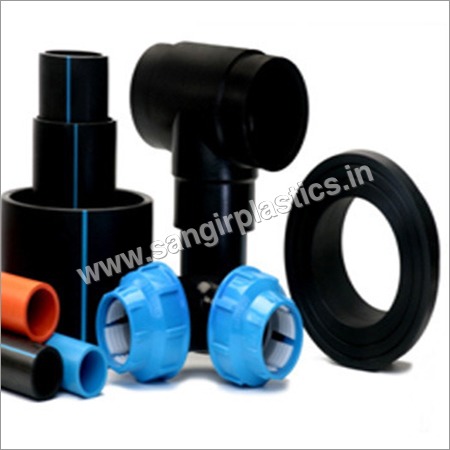
Tell us about your requirement

Price:
Quantity
Select Unit
- 50
- 100
- 200
- 250
- 500
- 1000+
Additional detail
Mobile number
Email

More Products in Sangir Products Category
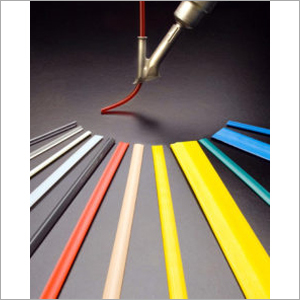
PP Welding Rods
Price 115.0 INR / Kilograms
Minimum Order Quantity : 100 Kilograms
Material : PP, PPH
Shape : Round
Features : Excellent weldability with strong joint formation
Surface Finish : Hot Rolled
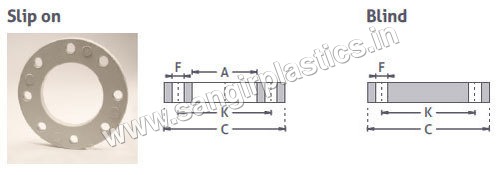
Slip On Backing Flange
Price 100.0 INR / Piece
Minimum Order Quantity : 10 Pieces
Material : Carbon Steel, Stainless Steel, Mild Steel, or Ductile Iron
Shape : Round
Features : Easy Installation, High Strength, Durable, Precise Construction
Surface Finish : Galvanized, Painted, or Bare
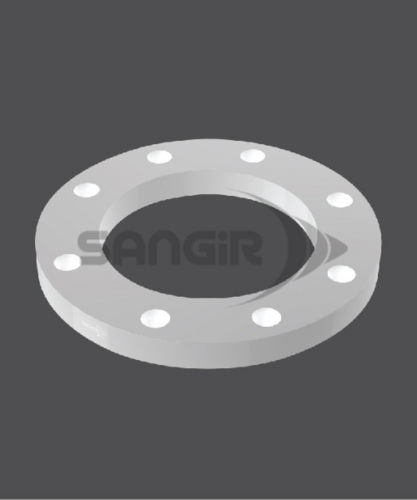
PVDF Flanges
Price 100.0 INR / Piece
Minimum Order Quantity : 1 Piece
Material : PVDF
Shape : Round
Features : Excellent Chemical Resistance
Surface Finish : Smooth Internal Surface
PFA Welding Rod
Price 115.0 INR / Piece
Minimum Order Quantity : 100 Pieces
Material : PFA Rod
Shape : Round
Features : Lightweight material and Good Machineability

Contact Details 
SANGIR PLASTICS PVT. LTD.
GST : 24AABCS3737J1ZC
GST : 24AABCS3737J1ZC

- Survey No. - 146/p-2 and 114/p1, near Raymond Limited, Motiwada,Valsad - 396125, Gujarat, India
- Phone : 08045816055

- Mr. Vivek Adsule (Sr. Executive Exports)
- Mobile : 08045816055
- Send Inquiry
 Send Inquiry
 Send Inquiry
 Send SMS
 Call Me Free
Quick Links
Our Product

SANGIR PLASTICS PVT. LTD.
All Rights Reserved.(Terms of Use)
Developed and Managed by Infocom Network Private Limited.
Developed and Managed by Infocom Network Private Limited.

