

 Send Inquiry
Inspection Chambers
Price 1000.0 INR/ Piece
Inspection Chambers Specification
- Port Size
- To be specified
- End Type
- Open or threaded (to be specified)
- Surface Finish
- Rough finish (to be confirmed)
- Material
- Polypropylene or other (to be confirmed)
- Connection Type
- Socket or spigot (to be specified)
- Shape
- Circular
- Dimension (L*W*H)
- 800-1200 Millimeter (mm)
- Corrosion Resistant
- Yes
- Application
- Drainage System
- Capacity
- 1000 Ton
- Usage
- Used for draining and inspecting underground pipelines
- Material Grade
- To be specified
- Features
- Durable Easy Installation
- Diameter
- 800-1200 Millimeter (mm)
- Pipe Type
- Drainage Pipe
Inspection Chambers Trade Information
- FOB Port
- Nhava Sheva
- Payment Terms
- Cash Advance (CA), Cash Against Delivery (CAD), Cash on Delivery (COD), Cash in Advance (CID)
- Delivery Time
- 4 Week
- Sample Policy
- Contact us for information regarding our sample policy
- Main Export Market(s)
- Asia
- Main Domestic Market
- All India
About Inspection Chambers
Sangir offers a wide range of inspection chambers and manhole chambers designed to meet EN13598 standards and international drainage requirements. Available in sizes from 800 mm to 1200 mm, our plastic manhole chambers and IC chambers are manufactured using advanced RotoMoulding technology for superior strength, lightweight handling, and easy installation.
We supply HDPE manholes, PVC inspection chambers, and plastic chambers that are eco-friendly and engineered to prevent exfiltration and infiltration. These systems are low maintenance and built for long-term use in sewage chambers, sewerage chambers, and plastic drainage networks.
Sangir also provides customized inspection chamber sizes and configurations for projects requiring sewage inspection chambers, IC chambers, or unique manhole chamber solutions.
Superior Durability and Corrosion Resistance
Engineered with high-grade Polypropylene or as specified, these inspection chambers stand out for their robust construction, making them highly resistant to corrosion. This ensures long-term reliability and performance, especially in challenging underground environments. Their rough surface finish further enhances grip during installation, further proving their advantage in the field.
Flexible Connection and Easy Installation
With options for either socket or spigot connections, the chambers provide flexibility for various systems. The open or threaded end choices simplify integration with existing infrastructure. Their circular shape and moderate dimensions enable straightforward handling and quick installation, catering to contractors seeking efficiency and reduced labor time.
FAQ's of Inspection Chambers:
Q: How are these inspection chambers installed within a drainage system?
A: The inspection chambers are designed for easy installation. They can be directly connected to drainage pipes using either socket or spigot connections as specified. Their moderate size and optional open or threaded ends make them adaptable to site requirements, and their robust build allows for straightforward setting into prepared ground.Q: What benefits do Polypropylene inspection chambers offer over traditional materials?
A: Polypropylene inspection chambers are lightweight, making handling and installation easier than traditional concrete or metal. They provide excellent corrosion resistance, durability, and a long service life, especially in harsh underground environments. This material choice also reduces maintenance needs.Q: When is it necessary to use an inspection chamber in a drainage pipeline?
A: Inspection chambers are necessary when underground pipelines require frequent inspection, maintenance, or cleaning access. They are commonly installed at pipe junctions, changes in direction, or major connections, allowing efficient monitoring and intervention without excavation.Q: Where can these inspection chambers be used?
A: Primarily, these chambers are used in underground drainage systems for residential, commercial, or municipal infrastructure. They are suitable for new installations or upgrading existing pipeline networks requiring high-capacity and corrosion-resistant inspection points.Q: What process is involved in inspecting an underground pipeline with these chambers?
A: Inspection is carried out by removing the chamber's cover and using visual or remote tools to check for blockages or damage. The chamber's accessible opening enables easy and safe entry or deployment of inspection equipment into the pipelines.Q: How does the circular shape and rough finish benefit users?
A: The circular shape distributes soil and load pressure evenly, enhancing structural integrity. The rough surface finish provides better grip and stability during installation, reducing slippage and ensuring the chamber stays securely positioned underground.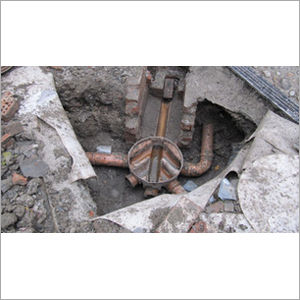
Tell us about your requirement

Price:
Quantity
Select Unit
- 50
- 100
- 200
- 250
- 500
- 1000+
Additional detail
Mobile number
Email

More Products in Sangir Products Category
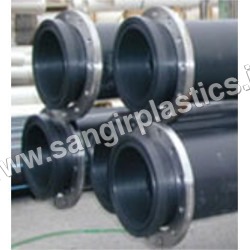
HDPE Dredge Pipes
Price 100.0 INR / Piece
Minimum Order Quantity : 1000 Pieces
Usage : Marine dredging, River and Lake rehabilitation, Mining slurry conveyance
Shape : Round/Cylindrical
Material : HDPE (High Density Polyethylene)
Surface Finish : Smooth/Polished
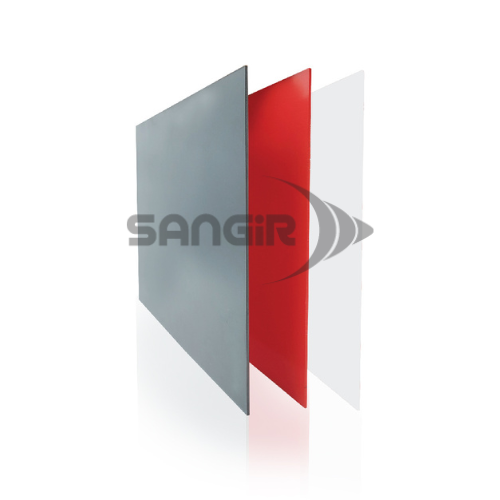
PVC Rigid Sheets
Price 100.0 INR / Piece
Minimum Order Quantity : 100 Pieces
Usage : Plumbing & Structure Pipe
Shape : Sheet
Material : PVC
Surface Finish : Hot Rolled
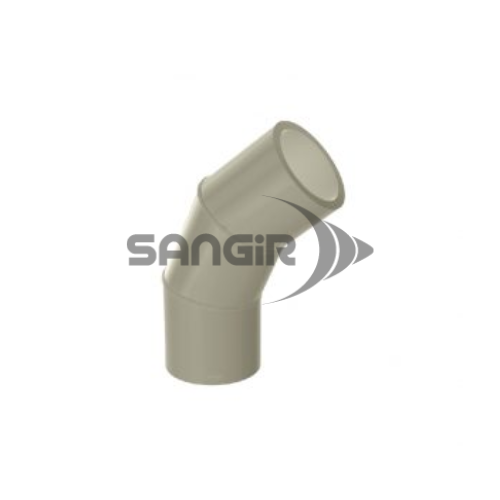
PPH Fabricated Bend 60 Degree
Price 100.0 INR / Piece
Minimum Order Quantity : 10 Pieces
Usage : Plumbing & Structure Pipe
Shape : Round
Material : PPH
Surface Finish : Hot Rolled
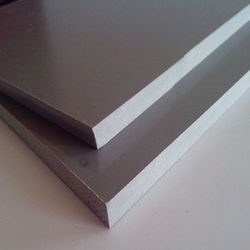
Corzan CPVC Sheets
Price 1800.0 INR / Kilograms
Minimum Order Quantity : 100 Kilograms
Usage : Nuclear Power Plant, ,Electricity Boards, Refineries (DM Water Plants) , Chemical Industries, Power Plant, Defence (Ordinance Factories ) , Cement Industries , Textile Industries, Paper Industries
Shape : Sheet
Material : CPVC
Surface Finish : Smooth Internal Surface

Contact Details 
SANGIR PLASTICS PVT. LTD.
GST : 24AABCS3737J1ZC
GST : 24AABCS3737J1ZC

- Survey No. - 146/p-2 and 114/p1, near Raymond Limited, Motiwada,Valsad - 396125, Gujarat, India
- Phone : 08045816055

- Mr. Vivek Adsule (Sr. Executive Exports)
- Mobile : 08045816055
- Send Inquiry
 Send Inquiry
 Send Inquiry
 Send SMS
 Call Me Free
Quick Links
Our Product

SANGIR PLASTICS PVT. LTD.
All Rights Reserved.(Terms of Use)
Developed and Managed by Infocom Network Private Limited.
Developed and Managed by Infocom Network Private Limited.

