

 Send Inquiry
PP Pipe Fittings
Price 100.0 INR/ Piece
MOQ : 1000 Pieces
PP Pipe Fittings Specification
- End Type
- Flanged Plain Threaded Ends
- Material Grade
- Standard Industrial Grade
- Pipe Type
- PP Pipe Fittings
- Thread Type
- Standard Threaded Connections
- Pressure Ratings
- Standard Pressure Ratings for PP materials
- Corrosion Resistant
- Yes
- Usage
- Water Distribution Chemical Transport Industrial Applications
- Application
- Plumbing and Industrial Pipe Systems
- Surface Finish
- Smooth
- Working Presssure
- Dependable under standard industrial pressures
- Shape
- Round and Custom shapes for specific fittings
- Port Size
- Standard sizes depending on fitting application
- Features
- Chemical Resistance Lightweight Durable
- Connection Type
- Threaded and Socket Weld
- Material
- Polypropylene (PP)
About PP Pipe Fittings
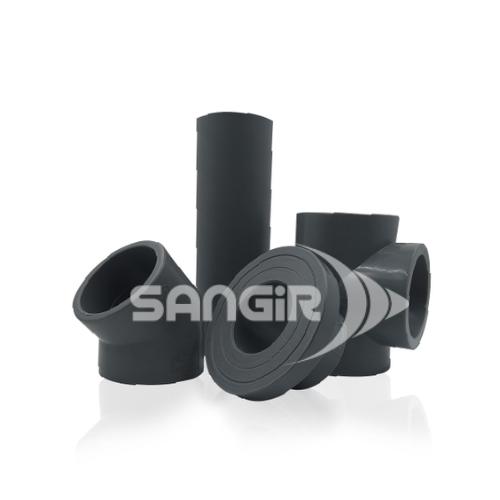
Sangir brings to you entire range of PP/ PPH Pipe Fittings. The fittings can be jointed through Buttweld and Socket weld . The fittings are machined to accuracy and retain the properties of the respective pipes.
Our range of fittings are:
- Moulded elbow 90 Deg
- Moulded elbow 45 Deg
- Moulded Tee Equal
- Stubend Flange
- Adaptor
- Socket
- Reducers
- Moulded End Caps
- Moulded Bends 90 Deg
- Moulded End Caps
- Moulded Tees Equal
- Concentric Reducers
- Eccentric Reducers
- Long neck stubend
- Butterfly valve spacer
- Fabricated segment bend 90 Deg
- Fabricated segment bend 45 Deg, 60 Deg, 30 Deg
- Fabricated segment tee equal/ branched
- Moulded backing flanges (With steel inserts)
- Moulded backing flanges (Without steel inserts)
Versatile Applications
PP Pipe Fittings are suitable for a wide range of uses including plumbing infrastructure, water distribution systems, chemical transportation pipes, and various industrial applications. Their impressive chemical resistance makes them a preferred choice in harsh operating environments.
Customizable and Reliable
Available in standard round shapes as well as custom designs, our fittings can be tailored to your specific requirements. With reliable pressure ratings and a variety of end types-flanged, plain, and threaded-these products offer seamless integration with existing systems.
Durable and Chemical Resistant
Manufactured with industrial-grade polypropylene, the fittings deliver lightweight strength and corrosion resistance. This ensures an extended product lifespan even in environments handling aggressive chemicals or exposed to moisture.
FAQ's of PP Pipe Fittings:
Q: How are PP Pipe Fittings used in industrial and plumbing systems?
A: PP Pipe Fittings connect pipes securely, enabling the transport of water and chemicals in plumbing and industrial applications. They accommodate different joint methods such as threaded or socket weld connections to suit diverse system requirements.Q: What benefits do PP Pipe Fittings provide for chemical transport applications?
A: These fittings are made from chemically resistant polypropylene, preventing corrosion and ensuring the safe conveyance of corrosive substances. Their durability and smooth finish maintain reliable flow with minimal buildup.Q: When should I choose threaded versus flanged end types?
A: Threaded ends are ideal for easy, tool-free assembly and disassembly, while flanged ends are preferred for higher-pressure systems or frequent maintenance access, ensuring robust, leak-proof connections.Q: Where can PP Pipe Fittings be installed?
A: They can be installed in plumbing systems, industrial plants, water treatment facilities, and anywhere dependable, corrosion-resistant piping is required. Their adaptability allows for use in both new projects and retrofits.Q: What is the process for installing PP Pipe Fittings?
A: Installation varies by connection type. Threaded ends require proper alignment and tightening, while socket weld fittings involve heating and fusing the PP material. Always follow manufacturer guidelines for safety and leak prevention.Q: How do the pressure ratings of these fittings compare to other materials?
A: PP Pipe Fittings are designed for standard industrial pressures, often matching or exceeding the requirements for typical water and chemical transport systems, though always confirm compatibility with your specific pressure needs.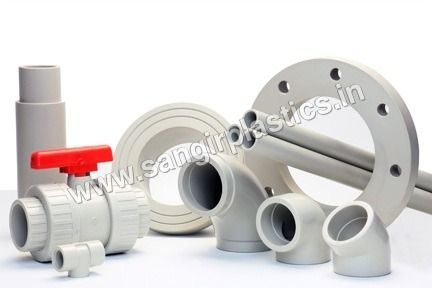
Tell us about your requirement

Price:
Quantity
Select Unit
- 50
- 100
- 200
- 250
- 500
- 1000+
Additional detail
Mobile number
Email

More Products in Sangir Products Category
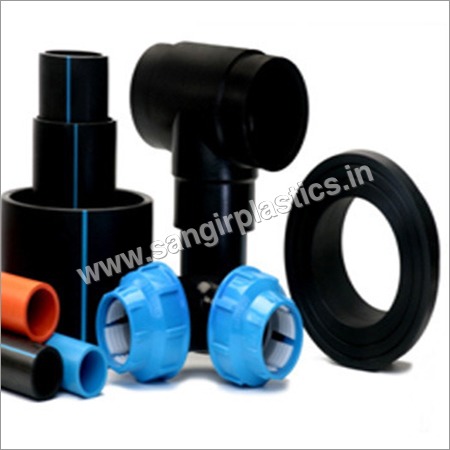
PE Pipe and PE Fitting
Price 100.0 INR / Piece
Minimum Order Quantity : 1000 Pieces
Material : PP, PPH, HDPE, PE100, PE80, LDPE, PVDF, PVC, CPVC
Shape : Round
Surface Finish : Hot Rolled
Usage : Plumbing & Structure Pipe
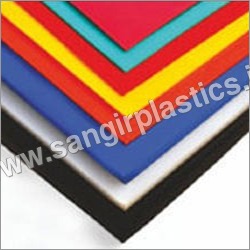
Polyethylene Sheets
Price 100.0 INR / Piece
Minimum Order Quantity : 100 Pieces
Material : Polyethylene (PE)
Shape : Rectangular
Surface Finish : Smooth or textured finish
Usage : Used in flooring wall cladding industrial containers and packaging
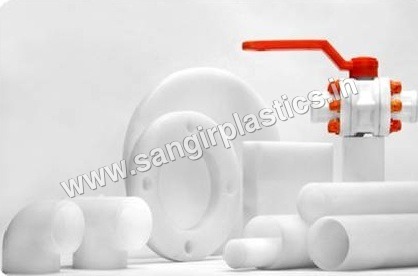
PVDF Pipe Fittings
Price 100.0 INR / Piece
Minimum Order Quantity : 1000 Pieces
Material : Polyvinylidene Fluoride (PVDF)
Shape : Cylindrical and Custom
Surface Finish : Smooth Finish
Usage : Chemical Pharmaceutical and Water Treatment
PP Pipes and PP Fittings
Price 100.0 INR / Piece
Minimum Order Quantity : 1000 Pieces
Material : PP, PPH, HDPE, PE100, PE80, LDPE, PVDF, PVC, CPVC
Shape : Round
Surface Finish : Hot Rolled
Usage : Plumbing & Structure Pipe

Contact Details 
SANGIR PLASTICS PVT. LTD.
GST : 24AABCS3737J1ZC
GST : 24AABCS3737J1ZC

- Survey No. - 146/p-2 and 114/p1, near Raymond Limited, Motiwada,Valsad - 396125, Gujarat, India
- Phone : 08045816055

- Mr. Vivek Adsule (Sr. Executive Exports)
- Mobile : 08045816055
- Send Inquiry
 Send Inquiry
 Send Inquiry
 Send SMS
 Call Me Free
Quick Links
Our Product

SANGIR PLASTICS PVT. LTD.
All Rights Reserved.(Terms of Use)
Developed and Managed by Infocom Network Private Limited.
Developed and Managed by Infocom Network Private Limited.

