

 Send Inquiry
PP Fire Retardant Sheets (PPS)
Price 200.0 INR/ Piece
MOQ : 10 Pieces
PP Fire Retardant Sheets (PPS) Specification
- Type
- PP- Fire Retardant Sheet
- Material
- Polypropylene(PP)
- Transparency
- Opaque
- Hardness
- Rigid
- Thickness
- 2 Millimeter (mm)
- Size
- 1 x 2 m
PP Fire Retardant Sheets (PPS) Trade Information
- Minimum Order Quantity
- 10 Pieces
- FOB Port
- Mumbai
- Payment Terms
- Cash Against Delivery (CAD), Cash on Delivery (COD), Cash Advance (CA), Cash in Advance (CID), Cheque
- Delivery Time
- 2 Week
- Sample Policy
- Contact us for information regarding our sample policy
- Packaging Details
- Pallets/Loose/Customized
- Main Export Market(s)
- Asia
- Main Domestic Market
- All India
About PP Fire Retardant Sheets (PPS)
Sangir offers high-quality PP Fire Retardant Sheets (PPS Sheets) specially designed for industrial applications requiring enhanced fire safety, chemical resistance, and durability.
Manufactured using premium polypropylene with flame-retardant additives, these sheets are widely used in industrial exhaust ducting systems, ventilation systems, chemical processing plants, and semiconductor manufacturing units.
Sangirs PPS sheets are engineered to reduce flame spread and improve safety in environments where fire risk and corrosive fumes are major concerns.
-
Flame Retardant Material Designed to reduce flame propagation and improve fire safety
-
Excellent Chemical Resistance Resistant to acids, alkalis, and corrosive gases
-
High Mechanical Strength Strong and durable for industrial applications
-
Lightweight Structure Easier handling and installation compared to metal sheets
-
Easy Fabrication Suitable for welding, cutting, bending, and thermoforming
-
Long Service Life Performs reliably in harsh industrial conditions
Applications
Sangir PPS sheets are widely used in:
-
Industrial Exhaust Ducting Systems
-
Ventilation Systems
-
Chemical Processing Plants
-
Semiconductor Manufacturing Facilities
-
Pharmaceutical Industries
-
Battery Manufacturing Units
-
Solar Cell Production Plants
-
Corrosive Fume Extraction Systems:
Reliable Fire Retardant Performance
PP Fire Retardant Sheets are formulated to withstand ignition and delay the spread of flames, making them suitable for high-risk environments. Their specialized composition ensures compliance with safety regulations and enhances protection against fire incidents. Consequently, they are a preferred choice for industries where fire safety is a priority.
Durable Construction and Versatile Sizing
Manufactured from rigid Polypropylene, these sheets maintain their structural integrity even under stress. With a standard size of 1 x 2 meters and a substantial 2 mm thickness, the sheets are easy to install and adapt to various industrial applications, from partitions to protective paneling.
Export Quality from India
As a reputed exporter, manufacturer, and supplier, we uphold stringent quality standards through meticulous production processes. Our PP Fire Retardant Sheets are trusted both domestically and internationally, consistently meeting the requirements of clients seeking dependable fire protection solutions.
FAQ's of PP Fire Retardant Sheets (PPS):
Q: How are PP Fire Retardant Sheets manufactured to resist fire?
A: These sheets are made from Polypropylene blended with specially selected flame-retardant additives. This process ensures the material reduces ignition risk and delays the spread of fire, fulfilling strict safety standards for hazardous environments.Q: What are the primary uses of PP Fire Retardant Sheets?
A: They are widely used in industries requiring enhanced fire safety, such as electronics, construction, transportation, and chemical processing. Typical applications include wall cladding, partitions, cable trays, equipment covers, and protective barriers.Q: When should I consider using fire retardant sheets instead of regular plastic sheets?
A: Opt for fire retardant sheets whenever applications involve heightened fire risk or are subject to mandatory fire safety codes. Their use is recommended in commercial or industrial settings where compliance and safety assurance are crucial.Q: Where can these PP Fire Retardant Sheets be sourced from in India?
A: You can procure them directly from established exporters, manufacturers, and suppliers based in India who specialize in fire retardant plastic solutions, such as our company.Q: What are the benefits of using rigid PP Fire Retardant Sheets?
A: The main advantages include superior resistance to flames, enhanced structural rigidity, chemical inertness, and long-lasting durability. These sheets also provide a lightweight, easy-to-handle alternative to traditional fireproofing materials.Q: How do I install or process these sheets for use in my facility?
A: PP Fire Retardant Sheets can be easily cut, drilled, or fastened according to project requirements. Their rigidity ensures they stay in place, and installation typically involves standard industrial tools and fittings.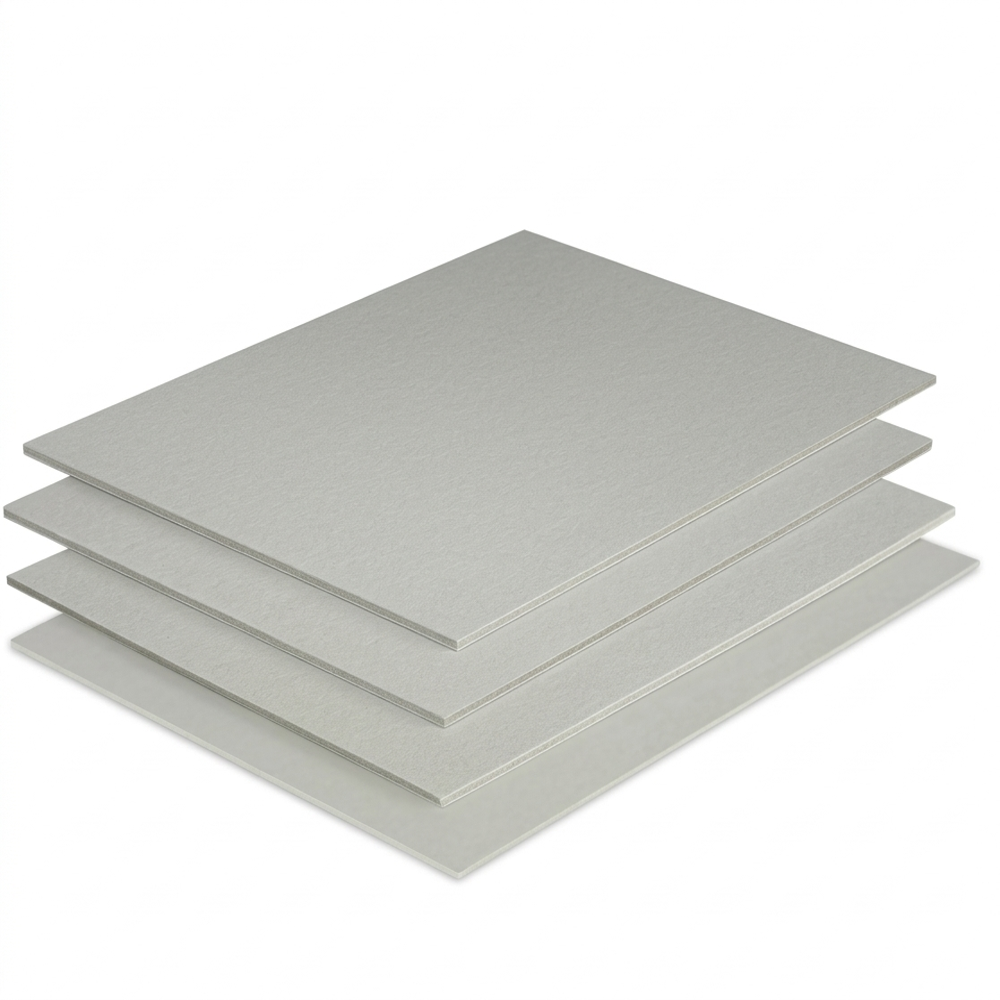
Tell us about your requirement

Price:
Quantity
Select Unit
- 50
- 100
- 200
- 250
- 500
- 1000+
Additional detail
Mobile number
Email

More Products in Industrial Sheets Category
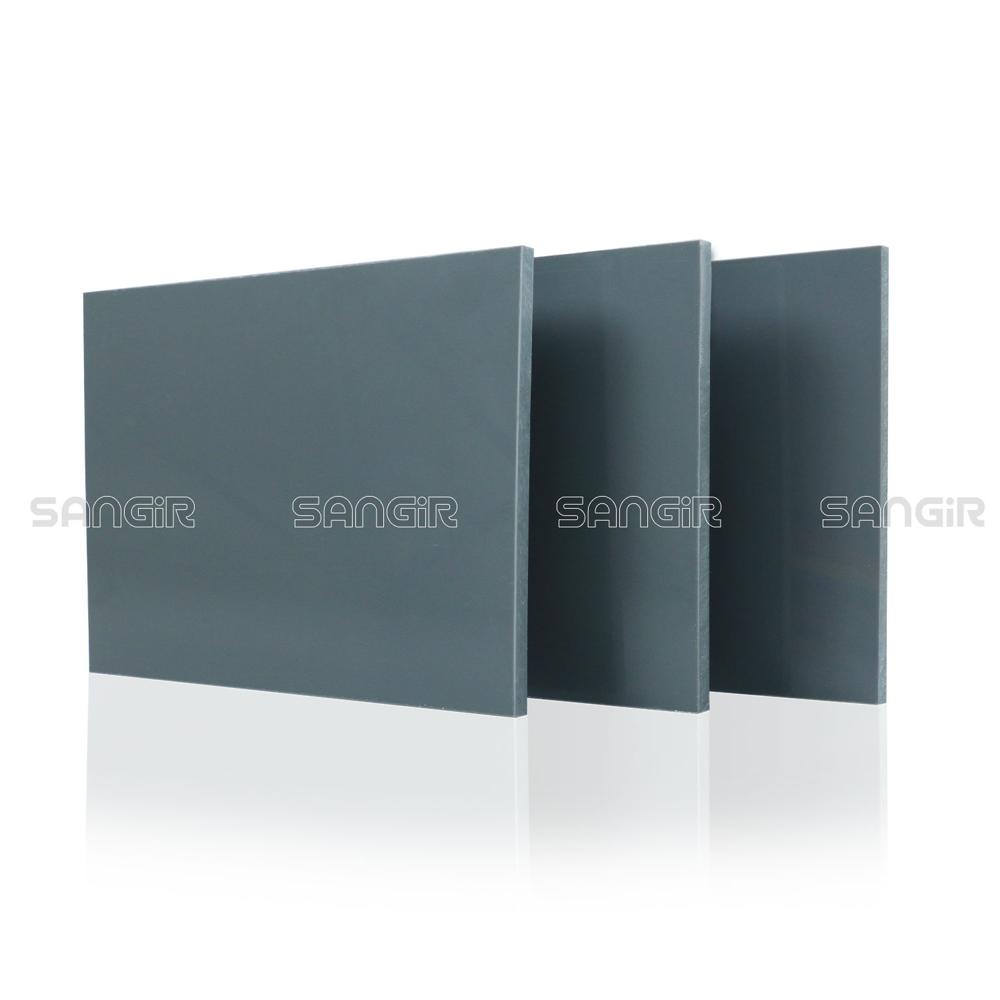
UPVC Rigid Sheet
Price 100.0 INR / Piece
Minimum Order Quantity : 100 Pieces
Material : Polyvinyl Chloride(PVC)
Color : Gray
Type : UPVC Sheet
Transparency : Opaque
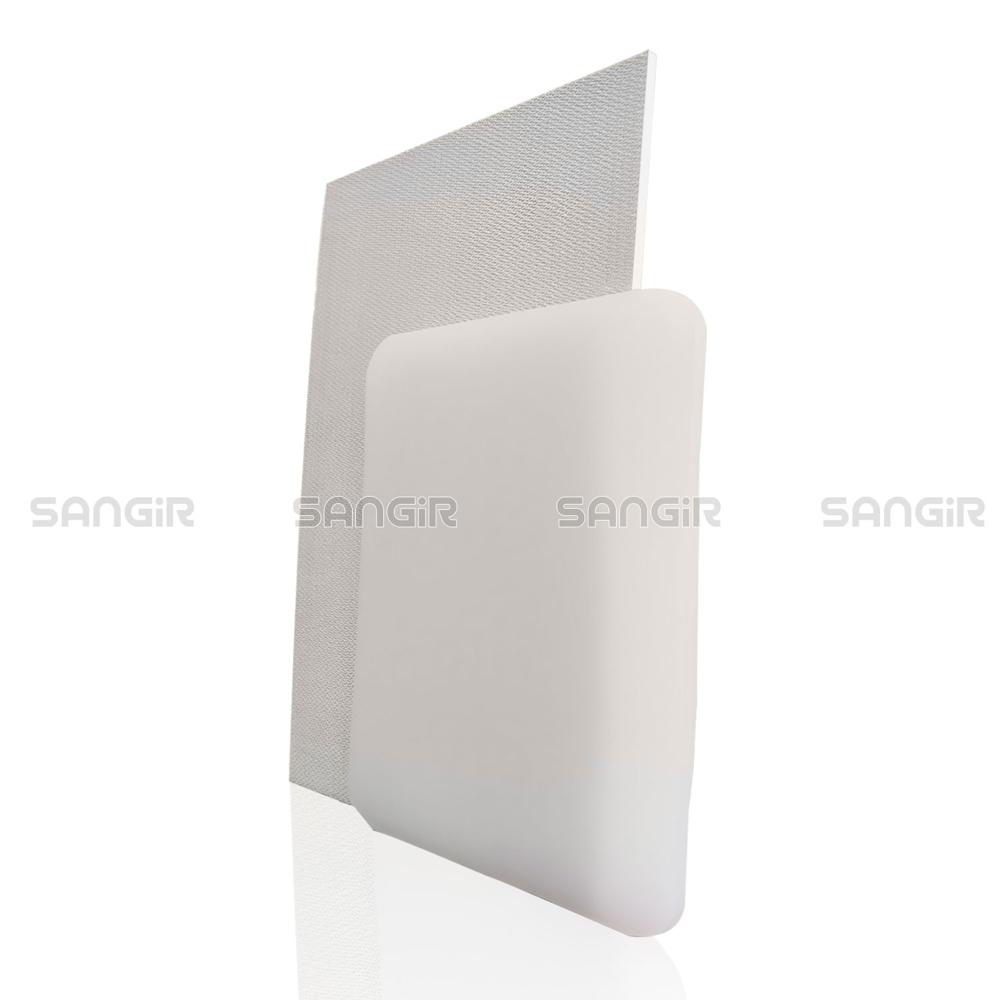
PVDF Polyester Backed Sheet
Price 500.0 INR / Piece
Minimum Order Quantity : 10 Pieces
Material : Other
Color : Multicolor (Yellow Green Black Red Blue)
Type : PVDF Polyster Backed
Transparency : Opaque
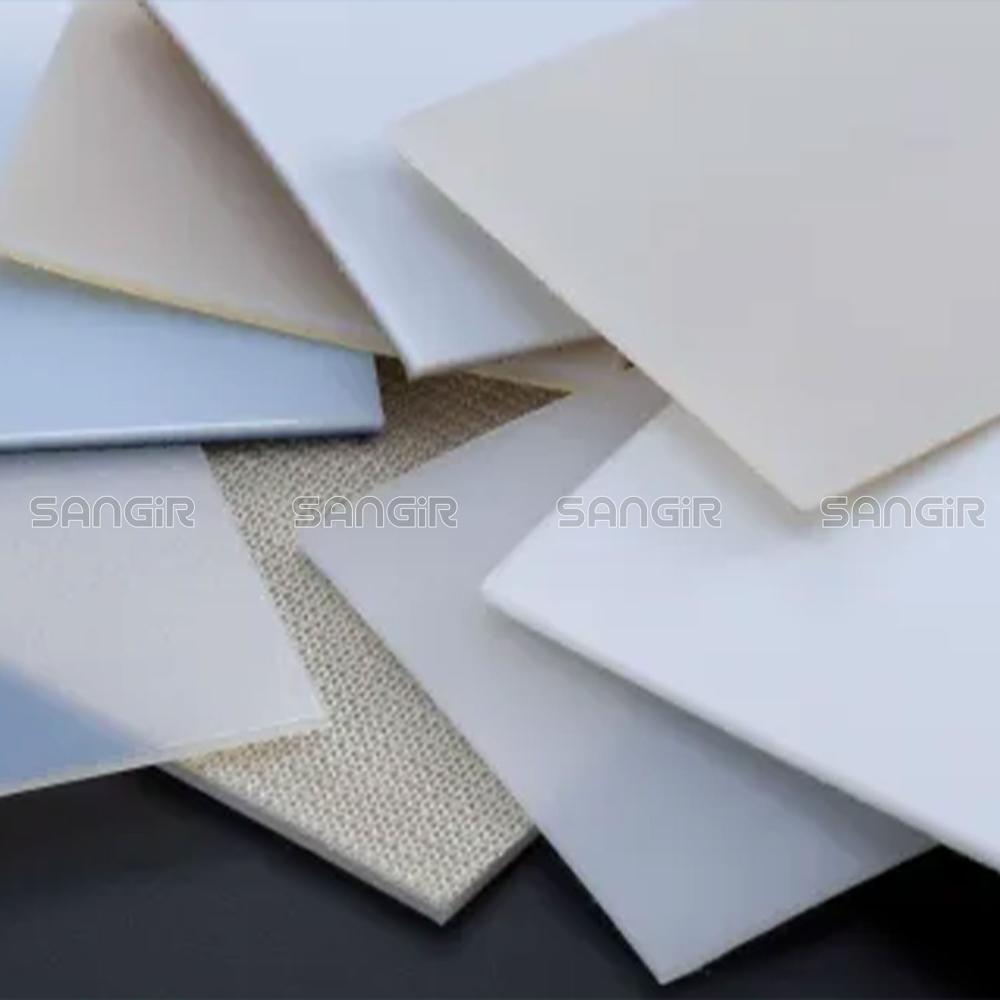
PFA Sheet- Glass Fabric Backed
Price 20000.0 INR / Sheet
Minimum Order Quantity : 10 Sheets
Material : Other
Color : Grey
Type : PFAGBK Sheet
Transparency : Opaque
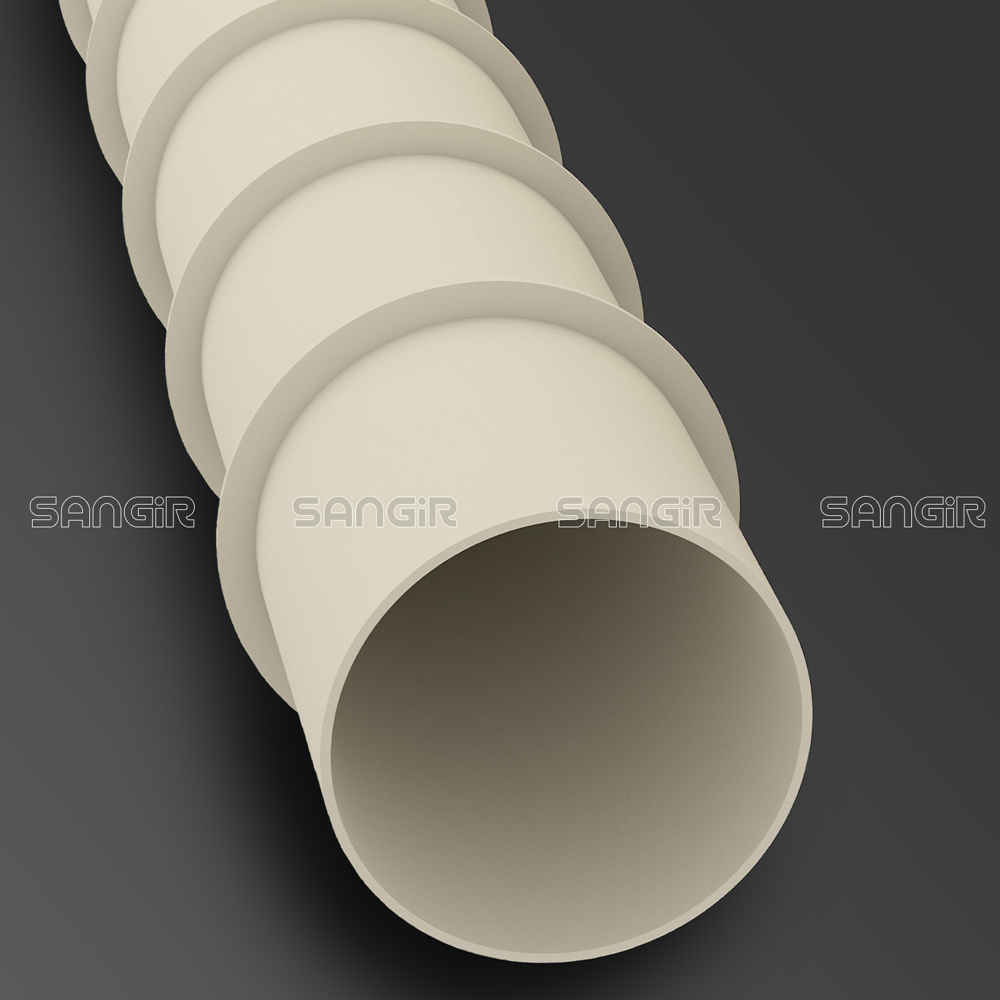
PPS Ducting System
Price 500.0 INR / Meter
Minimum Order Quantity : 10
Material : Polypropylene(PP)
Color : Grey
Type : Duct (Plastic duct, non metallic)
Transparency : NO

Contact Details 
SANGIR PLASTICS PVT. LTD.
GST : 24AABCS3737J1ZC
GST : 24AABCS3737J1ZC

- Survey No. - 146/p-2 and 114/p1, near Raymond Limited, Motiwada,Valsad - 396125, Gujarat, India
- Phone : 08045816055

- Mr. Vivek Adsule (Sr. Executive Exports)
- Mobile : 08045816055
- Send Inquiry
 Send Inquiry
 Send Inquiry
 Send SMS
Quick Links
Our Product

SANGIR PLASTICS PVT. LTD.
All Rights Reserved.(Terms of Use)
Developed and Managed by Infocom Network Private Limited.
Developed and Managed by Infocom Network Private Limited.

