

 Send Inquiry
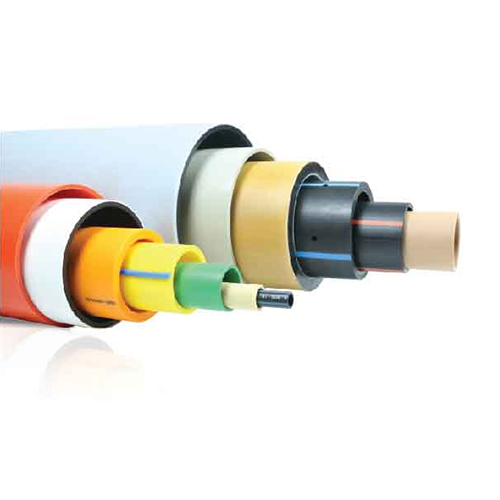
Liner Pipes
Price 100.0 INR/ Piece
MOQ : 1000 Pieces
Liner Pipes Specification
- End Type
- Plain ends and threaded ends
- Connection Type
- Threaded and socket connections
- Dimension (L*W*H)
- 20-2000 Millimeter (mm)
- Material
- PVC, CPVC, HDPE
- Pipe Type
- Liner Pipes
- Capacity
- 15000 Tons/year
- Features
- Durable lightweight and easy installation
- Port Size
- Depends on application requirements
- Usage
- Fluid transportation in industrial setups
- Surface Finish
- Smooth with matte finish
- Diameter
- Varies (e.g. 50mm 100mm 150mm) Millimeter (mm)
- Working Presssure
- Designed to withstand high pressure
- Corrosion Resistant
- Yes
- Material Grade
- Industry-standard grades
- Application
- Industrial piping systems
- Thread Type
- NPT or BSP threads available
- Shape
- Cylindrical
- Pressure Ratings
- Varies (e.g. PN10 PN16)
Liner Pipes Trade Information
- Minimum Order Quantity
- 1000 Pieces
- FOB Port
- Mumbai
- Payment Terms
- Cash Against Delivery (CAD), Cash on Delivery (COD), Cash Advance (CA), Cash in Advance (CID), Cheque
- Supply Ability
- 1000 Pieces Per Month
- Delivery Time
- 2 Week
- Sample Policy
- Contact us for information regarding our sample policy
- Packaging Details
- as per size and quantity
- Main Export Market(s)
- Asia
- Main Domestic Market
- All India
- Certifications
- ISO 1183 / ASTM 1505, ISO 1133 / ASTM D 1238, ASTM D 2240, ISO 527 / ASTM D 638 Type-IV
About Liner Pipes
A crucial component of industrial facilities, Liner Pipe is designed to avert erosion and prolong the life of pipelines. It functions as a barrier of defense, preventing leaks and ensuring the integrity of fluid transportation systems. Made from robust components, it provides dependability in extreme conditions, including oil refineries and chemical processing plants. Workflow efficiency is guaranteed by its smooth installation, thereby minimizing operational disturbances and downtime.
Liner Pipe suits a wide range of project demands, from complex municipal projects to massive industrial applications, thanks to its variety of standards.
Features:
- Robustly constructed
- Resistant to corrosion
- Dimensional accuracy
- Strong and durable
- Long life
- High chemical resistance
- High thermal resistance
- Very good fatigue resistance
- Excellent dielectric properties
Superior Corrosion Resistance
Formulated using PVC, CPVC, and HDPE, our liner pipes provide exceptional protection against corrosive agents commonly found in industrial environments. Their robust construction and smooth matte finish reduce the risk of leaks and prolong service life, making them a reliable choice for fluid conveyance.
Versatile Application and Connectivity
The pipes suit a wide array of industrial piping requirements, thanks to plain or threaded ends and compatibility with NPT or BSP thread types. With a variety of diameter options and pressure ratings, installation can be tailored for optimal performance and secure, leak-proof connections in any industrial setup.
Engineered for Efficiency and Durability
Industry-standard grades and a meticulously engineered production process result in pipes that are lightweight, easy to install, but durable enough to handle high working pressures. With options for socket or threaded connections, maintenance is simplified and downtime minimized.
FAQ's of Liner Pipes:
Q: How are corrosion-resistant liner pipes used in industrial setups?
A: These liner pipes are primarily used for transporting fluids in industrial piping systems. Their corrosion-resistant qualities ensure safe and efficient conveyance of various liquids, even in chemically aggressive environments.Q: What materials are the liner pipes made from and what are their benefits?
A: Our liner pipes are constructed from PVC, CPVC, and HDPE. These materials provide excellent resistance to chemicals, durability, and a lightweight structure, ensuring ease of handling and long operational life.Q: When should I choose threaded ends over plain ends for liner pipes?
A: Threaded ends are preferable when frequent disassembly, maintenance, or secure attachment to threaded fittings is required. Plain ends are suitable for solvent welding or socket connections, typically in permanent installations.Q: Where can these liner pipes be installed?
A: They are designed specifically for industrial environments and can be installed wherever secure, durable, and corrosion-resistant fluid transport is needed, such as in factories, processing plants, or refineries.Q: What is the process for installing these pipes?
A: Installation depends on the end or connection type chosen. Threaded pipes use NPT or BSP standards for quick connections, while plain ends are joined using socket welding or adhesive bonding. Detailed instructions are provided to ensure proper installation.Q: How do the pressure ratings and diameters accommodate different application needs?
A: With multiple pressure ratings (such as PN10 and PN16) and diameter options from 50mm up to 150mm and beyond, our liner pipes can be matched to the specific flow rate, pressure, and connection requirements of each industrial application.Q: What advantages do smooth matte finishes provide for these liner pipes?
A: A smooth matte surface finish lowers friction, promoting optimal fluid flow and minimizing residue buildup inside the pipe. It also enhances durability and simplifies maintenance and cleaning operations.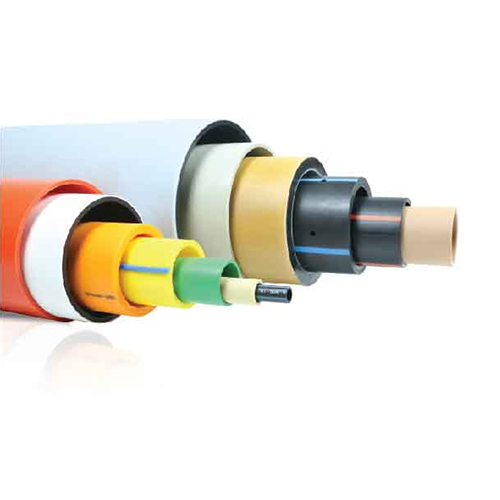
Tell us about your requirement

Price:
Quantity
Select Unit
- 50
- 100
- 200
- 250
- 500
- 1000+
Additional detail
Mobile number
Email

More Products in Specialty Piping System Category
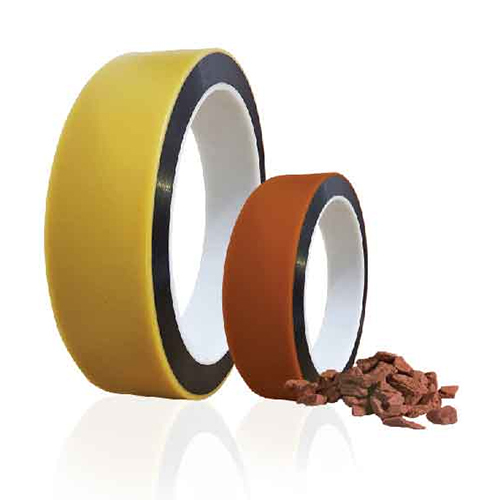
Abrasion Resistant Piping System
Price 100.0 INR / Piece
Minimum Order Quantity : 100 Pieces
Shape : Cylindrical
Application : Industrial applications
Material Grade : Premium grade
Corrosion Resistant : Yes
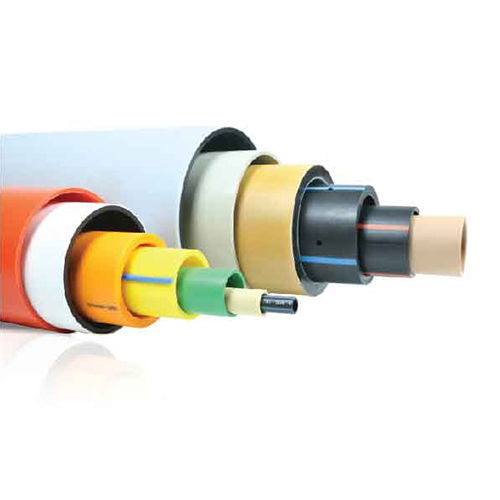
Multi Layer Pipes
Price 100.0 INR / Meter
Minimum Order Quantity : 1000
Shape : Round
Application : Hot and cold water plumbing, radiant floor heating, gas distribution
Material Grade : Food grade
Corrosion Resistant : Yes
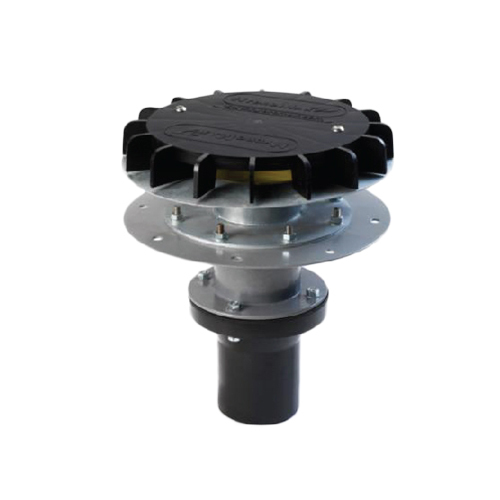
Siphonic Roof Drainage System
Price 1000.0 INR / Piece
Minimum Order Quantity : 1 Piece
Shape : Round
Application : Roof Drainage
Material Grade : Premium
Corrosion Resistant : Yes
Fire Retardant Pipes
Price 100.0 INR / Piece
Minimum Order Quantity : 1000 Pieces
Shape : Round
Application : Fire safety
Material Grade : Grade A
Corrosion Resistant : Yes

Contact Details 
SANGIR PLASTICS PVT. LTD.
GST : 24AABCS3737J1ZC
GST : 24AABCS3737J1ZC

- Survey No. - 146/p-2 and 114/p1, near Raymond Limited, Motiwada,Valsad - 396125, Gujarat, India
- Phone : 08045816055

- Mr. Vivek Adsule (Sr. Executive Exports)
- Mobile : 08045816055
- Send Inquiry
 Send Inquiry
 Send Inquiry
 Send SMS
Quick Links
Our Product

SANGIR PLASTICS PVT. LTD.
All Rights Reserved.(Terms of Use)
Developed and Managed by Infocom Network Private Limited.
Developed and Managed by Infocom Network Private Limited.

