

 Send Inquiry
Gas Piping System
Price 115.0 INR/ Kilograms
MOQ : 100 Kilograms
Gas Piping System Specification
- Corrosion Resistant
- Yes
- Features
- High resistance to gas permeability; lightweight; flexibility
- Diameter
- Varies
- Pipe Type
- Gas Pipes
- End Type
- Plain End
- Fittings
- Compatible with HDPE fittings
- Surface Finish
- Smooth
- Connection Type
- Socket Weld
- Pressure Ratings
- 6 bar / SDR11
- Material
- HDPE (High-Density Polyethylene)
- Usage
- Transportation of natural gas and LPG
- Material Grade
- PE 80/PE 100
- Working Presssure
- Up to 6 bar
- Shape
- Circular
- Port Size
- Varies
- Application
- Gas Piping System
Gas Piping System Trade Information
- Minimum Order Quantity
- 100 Kilograms
- Payment Terms
- Cash in Advance (CID)
- Supply Ability
- 5000 Kilograms Per Month
- Delivery Time
- 7 Days
- Main Domestic Market
- All India
About Gas Piping System
For the transportation and distribution of natural gas, propane, and other flammable gases in residential, commercial, industrial, and utility applications, the Gas Piping System is a crucial and safety-critical component. To ensure the effective and safe delivery of gas to end consumers, this complete system consists of a network of pipes, fittings, regulators, and safety equipment. Gas piping systems are created and constructed to adhere to severe safety requirements. They are designed to stop gas leaks and lessen any risks that could arise from moving gas. They are durable investments which satisfy the customer needs for longer.
Engineered for High Performance
Our gas pipes are designed to perform under demanding conditions, accommodating both natural gas and LPG across varied diameters. Utilizing HDPE materials with PE 80 or PE 100 grades, the system guarantees strength and durability while maintaining flexibility and minimizing gas permeability.
Seamless Integration and Easy Installation
The plain end design and socket weld connection simplify assembly, making these pipes compatible with a full range of HDPE fittings. The lightweight profile ensures that handling and installation are straightforward, cutting down on labor time and costs.
Optimal Safety and Efficiency
With a pressure rating up to 6 bar (SDR11) and corrosion resistance, our pipes safeguard gas distribution systems over years of reliable service. The smooth surface finish further reduces the risk of material buildup or gas flow disruption, ensuring optimal operational efficiency.
FAQ's of Gas Piping System:
Q: How is the HDPE Gas Piping System installed for gas distribution?
A: The HDPE gas piping system uses socket weld connections with plain ended pipes, ensuring a secure and leak-proof joint. The installation process involves preparing the pipe ends, heating, and then joining the pipe with compatible HDPE fittings, resulting in a reliable connection for safe gas transportation.Q: What types of gases can these pipes transport?
A: These pipes are specifically engineered for the transportation of natural gas and LPG (liquefied petroleum gas), making them suitable for urban, industrial, and residential gas distribution networks.Q: When should I choose PE 80 or PE 100 material grade pipes for my project?
A: PE 80 and PE 100 material grades are selected based on required pressure ratings and design parameters. PE 100 provides higher strength and is ideal for higher pressure or larger diameter requirements, while PE 80 can be suitable for medium pressure systems.Q: Where are these gas pipes typically used?
A: These gas pipes are commonly used in underground and aboveground gas distribution systems, including urban infrastructure, industrial applications, and LPG networks across commercial and residential sectors.Q: What is the benefit of using HDPE pipes with a smooth surface finish?
A: A smooth surface finish minimizes friction loss, reduces the likelihood of blockages, and helps maintain consistent gas flow, thereby enhancing safety and efficiency in gas transport systems.Q: How compatible are these pipes with existing fittings and accessories?
A: The pipes are designed to be fully compatible with standard HDPE fittings available in the market, allowing for versatile integration and expansion of existing gas networks.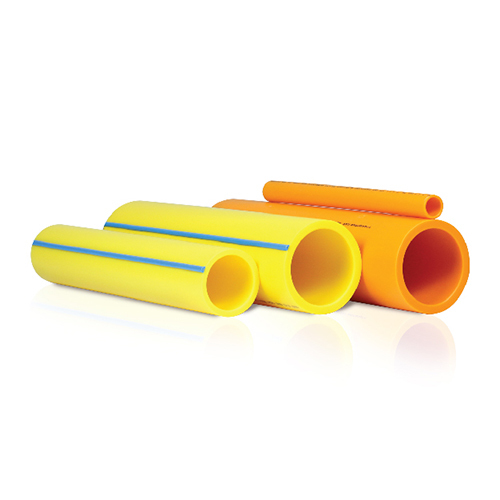
Tell us about your requirement

Price:
Quantity
Select Unit
- 50
- 100
- 200
- 250
- 500
- 1000+
Additional detail
Mobile number
Email

More Products in PE Piping Systems Category
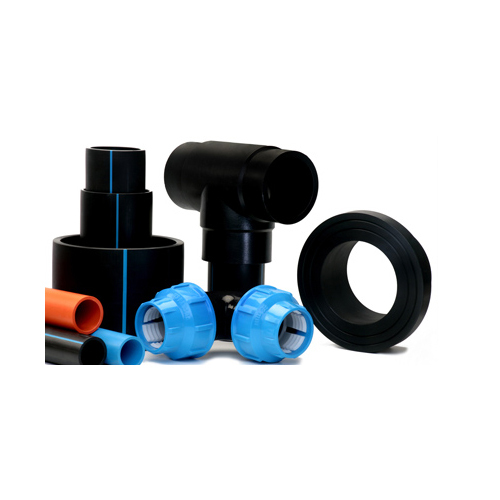
MDPE Piping System
Price 100.0 INR / Meter
Minimum Order Quantity : 100
Features : Durable lightweight easy to install
Diameter : 20800 Millimeter (mm)
Surface Finish : Smooth
Material : MDPE (Medium Density Polyethylene)
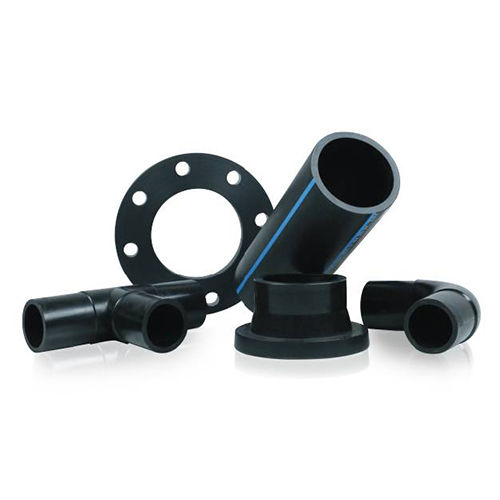
HDPE Piping System
Price 1000.0 INR / Meter
Minimum Order Quantity : 100
Features : Durable lightweight UV resistant easy installation
Diameter : 20 to 630 Millimeter (mm)
Surface Finish : Smooth
Material : HighDensity Polyethylene (HDPE)
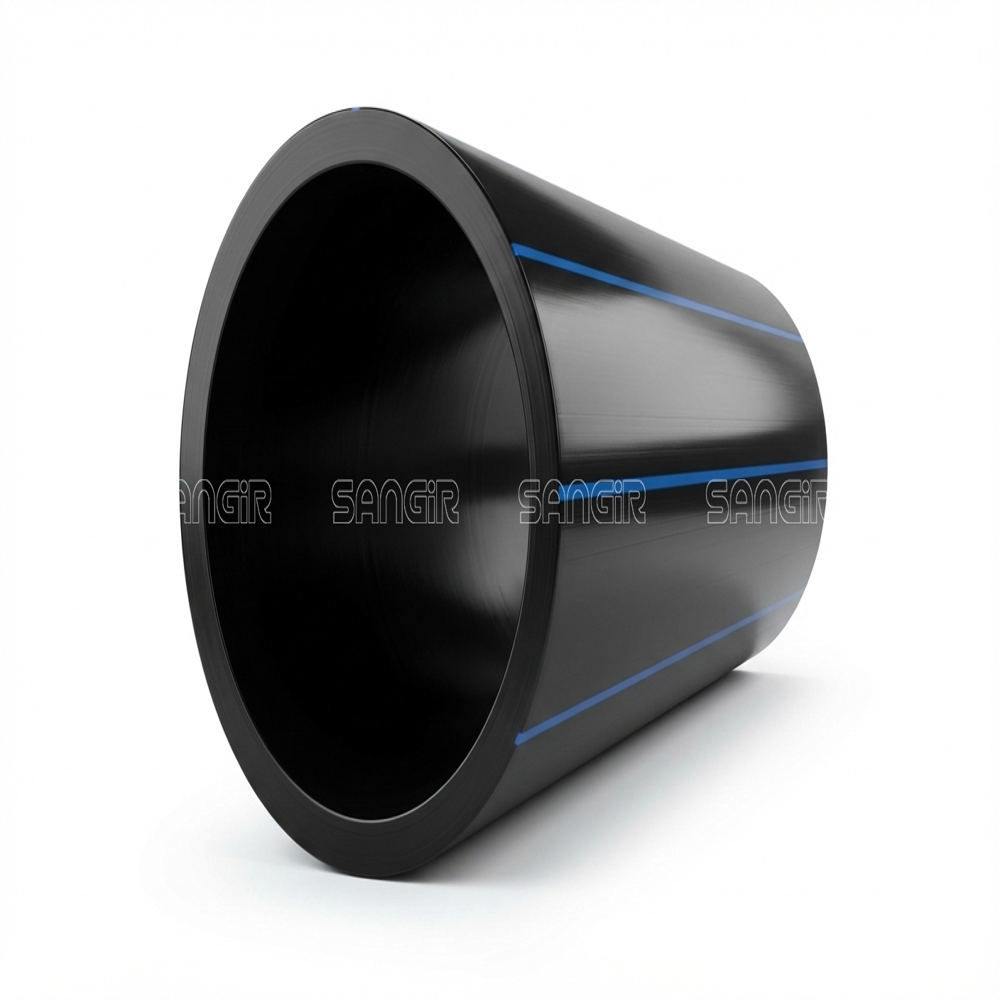
Large Diameter HDPE Pipe
Price 1000.0 INR / Piece
Minimum Order Quantity : 10 Pieces
Features : Ideal for essential marine infrastructure
Diameter : 1000 to 1600 Millimeter (mm)
Surface Finish : Hot Rolled
Material : HDPE

Contact Details 
SANGIR PLASTICS PVT. LTD.
GST : 24AABCS3737J1ZC
GST : 24AABCS3737J1ZC

- Survey No. - 146/p-2 and 114/p1, near Raymond Limited, Motiwada,Valsad - 396125, Gujarat, India
- Phone : 08045816055

- Mr. Vivek Adsule (Sr. Executive Exports)
- Mobile : 08045816055
- Send Inquiry
 Send Inquiry
 Send Inquiry
 Send SMS
 Call Me Free
Quick Links
Our Product

SANGIR PLASTICS PVT. LTD.
All Rights Reserved.(Terms of Use)
Developed and Managed by Infocom Network Private Limited.
Developed and Managed by Infocom Network Private Limited.

