

 Send Inquiry
White PVDF Lined Pipes
Price 100.0 INR/ Piece
MOQ : 1000 Pieces
White PVDF Lined Pipes Specification
- Usage
- Plumbing & Structure Pipe
- Diameter
- 6 Millimeter (mm)
- Surface Finish
- Hot Rolled
- Material
- PP, PPH, HDPE, PE100, PE80, LDPE, PVDF, PVC, CPVC
- Shape
- Round
- Corrosion Resistant
- Yes
White PVDF Lined Pipes Trade Information
- Minimum Order Quantity
- 1000 Pieces
- Packaging Details
- Pallets/Loose/Customized
About White PVDF Lined Pipes
PVDF (Polyvinylidene Fluoride) lined pipes are used in various industries for their excellent chemical resistance, high purity, and mechanical properties. Here are some key points about PVDF lined pipes:
Properties of PVDF Lined Pipes
Chemical Resistance: PVDF is highly resistant to a wide range of chemicals, including acids, bases, solvents, and hydrocarbons. This makes PVDF lined pipes ideal for handling corrosive substances.
Temperature Resistance: PVDF can withstand a wide temperature range, typically from -40 to 150 degree centigrade, making it suitable for various industrial applications.
High Purity: PVDF has low extractables and leachables, making it suitable for applications where contamination needs to be minimized, such as in the pharmaceutical and semiconductor industries.
Mechanical Strength: PVDF lined pipes offer good mechanical strength and impact resistance, ensuring durability and reliability in demanding conditions.
Low Permeability: PVDF has low permeability to gases and liquids, which is crucial for applications requiring containment of volatile or hazardous substances.
UV Resistance: PVDF is resistant to UV radiation, making it suitable for outdoor applications without significant degradation over time.
Applications of PVDF Lined Pipes
Chemical Processing: PVDF lined pipes are extensively used in chemical processing plants for transporting aggressive chemicals and corrosive fluids.
Water Treatment: They are used in water and wastewater treatment facilities due to their resistance to chlorine and other disinfectants.
Pharmaceuticals: The high purity and chemical resistance make PVDF lined pipes suitable for transporting pharmaceutical-grade fluids.
Semiconductor Manufacturing: In semiconductor fabrication, PVDF lined pipes are used to transport ultrapure water and chemicals.
Food and Beverage: PVDF's inert properties and compliance with food-grade standards make it useful for handling food and beverage products.
Installation and Maintenance
Installation: PVDF lined pipes can be installed using standard piping techniques. However, care must be taken to ensure proper alignment and support to prevent stress on the lining.
Maintenance: PVDF lined pipes generally require minimal maintenance due to their durability and chemical resistance. Regular inspections are recommended to ensure the integrity of the lining.
Advantages over Other Lined Pipes
Compared to PTFE: PVDF offers better mechanical strength and UV resistance than PTFE, although PTFE has a broader chemical resistance.
Compared to PFA: PVDF is less expensive and has better abrasion resistance, while PFA offers higher temperature resistance and chemical inertness.
PVDF lined pipes provide a reliable and cost-effective solution for industries requiring robust and chemically resistant piping systems. They combine the strength and durability of a metallic pipe with the corrosion resistance of a plastic lining, offering the best of both worlds for demanding applications.
Outstanding Corrosion Resistance
Thanks to their PVDF lining, these pipes deliver superior protection against chemicals and corrosive substances. This makes them especially suitable for harsh environments where longevity and maintenance-free performance are crucial, setting them apart from standard piping solutions.
Versatile Material Selection
Manufactured using a variety of thermoplastics, including PP, PPH, HDPE, and more, the pipes cater to diverse industrial requirements. This range of material options provides clients with the flexibility to select exactly the right combination of properties for their plumbing or structural needs.
FAQ's of White PVDF Lined Pipes:
Q: What are White PVDF Lined Pipes commonly used for?
A: White PVDF lined pipes are primarily used in plumbing and structural piping, particularly in industries where chemical resistance and long-term durability are important. Their corrosion-resistant properties make them ideal for transporting aggressive fluids and gases.Q: How are PVDF Lined Pipes manufactured?
A: These pipes are created by lining the inner surface of a base pipe (made of PP, PPH, HDPE, PE100, PE80, LDPE, PVC, or CPVC) with a layer of PVDF, using specialized hot-rolling techniques. This combination enhances both mechanical strength and chemical resistance.Q: What benefits do PVDF lined pipes offer over traditional metal pipes?
A: Compared to metal pipes, PVDF lined pipes offer outstanding corrosion resistance, lightweight construction, and reduced maintenance requirements. They are less prone to scale buildup and do not suffer from rust, resulting in a longer service life in demanding environments.Q: Where can I use White PVDF Lined Pipes?
A: These pipes are versatile and suitable for a wide array of applications, including water treatment plants, chemical processing units, irrigation systems, and any setting requiring robust corrosion resistance and reliable fluid conveyance.Q: When should I opt for a small diameter, such as 6 mm, PVDF lined pipe?
A: A 6 mm PVDF lined pipe is ideal for applications with restricted flow or where space is limited, such as sampling lines, laboratory setups, or precise dosing systems. Their chemical resistance enhances safety and product integrity in these environments.Q: What is the process for exporting PVDF lined pipes from India?
A: As exporters, the company ensures compliance with international standards, manages quality checks, packaging, and logistics, and coordinates closely with clients to facilitate smooth shipping and timely delivery of these specialized piping products.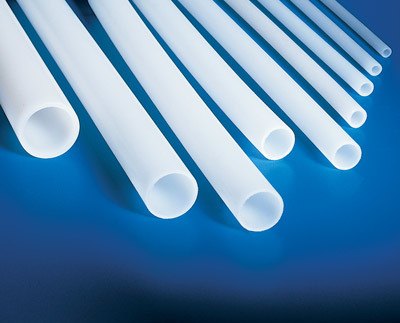
Tell us about your requirement

Price:
Quantity
Select Unit
- 50
- 100
- 200
- 250
- 500
- 1000+
Additional detail
Mobile number
Email

More Products in Sangir Products Category
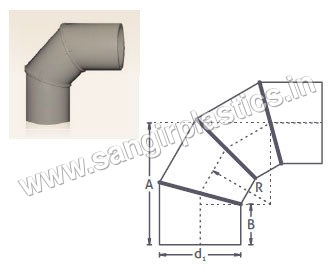
Fabricated Bend 90 Degree
Price 100.0 INR / Piece
Minimum Order Quantity : 10 Pieces
Shape : 90 Degree Bend
Corrosion Resistant : Yes
Usage : Fluid and Gas Transport
Surface Finish : Smooth/Matte Finish
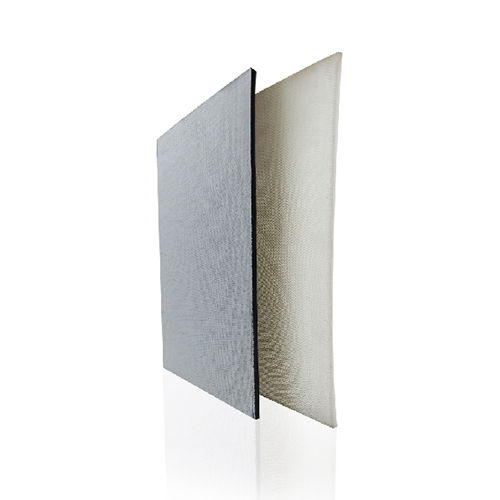
Fabric Backed Sheets
Price 100.0 INR / Piece
Minimum Order Quantity : 99 Pieces
Shape : Sheet
Corrosion Resistant : Yes
Usage : Commercial & Industrial Insulation
Surface Finish : Smooth
PPH End Caps SW
Price 100.0 INR / Piece
Minimum Order Quantity : 100 Pieces
Shape : Round
Corrosion Resistant : Yes
Usage : Sealing pipe ends
Surface Finish : Smooth
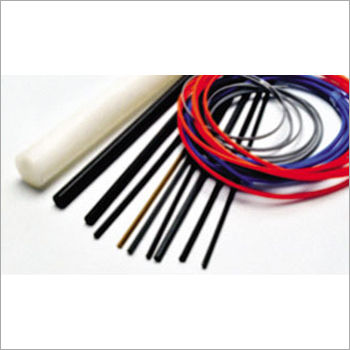
PE Welding Rods
Price 115.0 INR / Kilograms
Minimum Order Quantity : 100 Kilograms
Shape : Rod
Corrosion Resistant : Yes
Usage : Used for joining sealing and repairing polyethylene plastic materials
Surface Finish : Smooth

Contact Details 
SANGIR PLASTICS PVT. LTD.
GST : 24AABCS3737J1ZC
GST : 24AABCS3737J1ZC

- Survey No. - 146/p-2 and 114/p1, near Raymond Limited, Motiwada,Valsad - 396125, Gujarat, India
- Phone : 08045816055

- Mr. Vivek Adsule (Sr. Executive Exports)
- Mobile : 08045816055
- Send Inquiry
 Send Inquiry
 Send Inquiry
 Send SMS
 Call Me Free
Quick Links
Our Product

SANGIR PLASTICS PVT. LTD.
All Rights Reserved.(Terms of Use)
Developed and Managed by Infocom Network Private Limited.
Developed and Managed by Infocom Network Private Limited.

